Innovations in Renovations

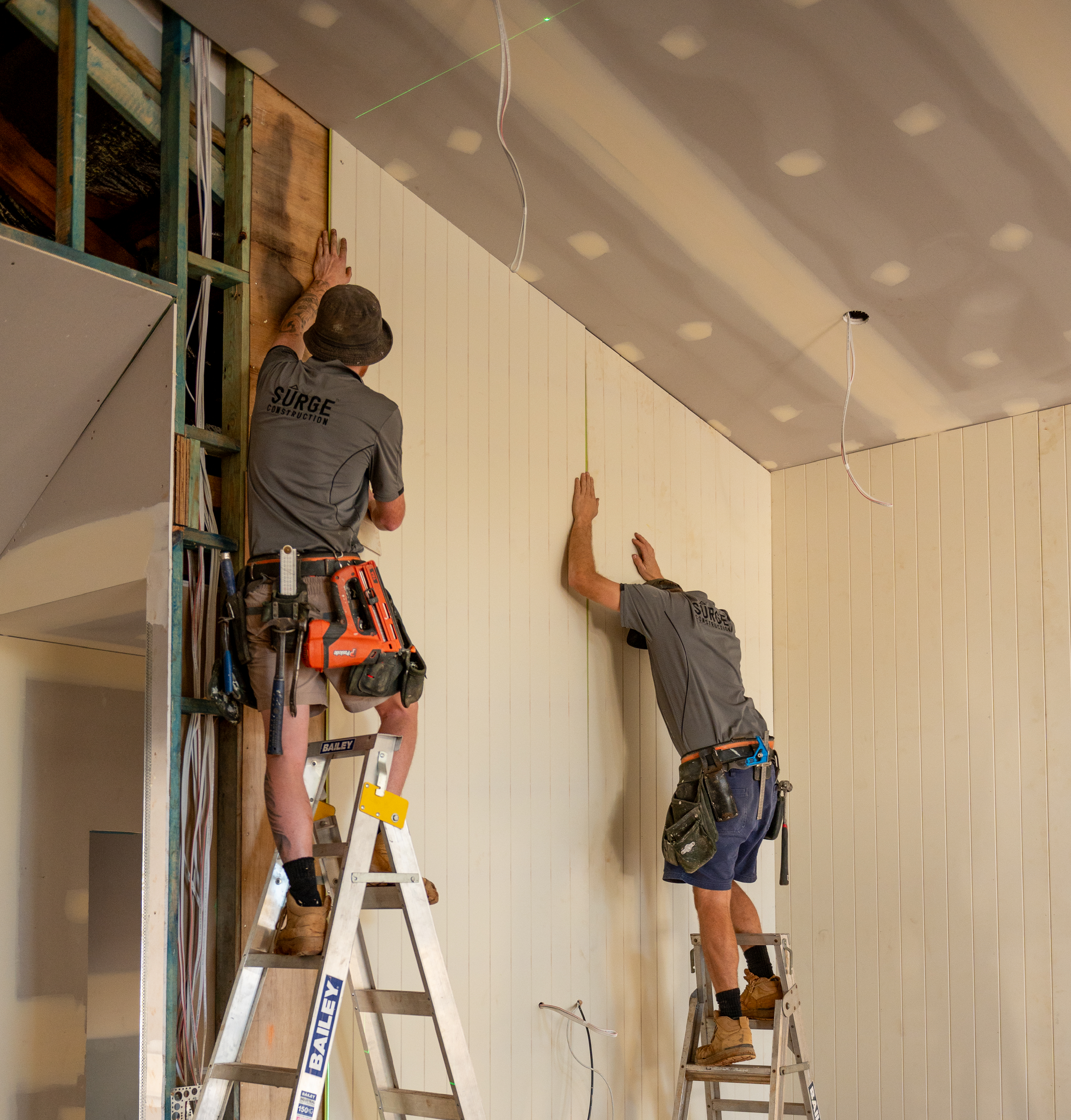
Renovations have long been a fundamental aspect of homeownership and property development. Whether it's updating a dated kitchen, reviving a tired bathroom, or completely transforming a space, the process of renovating has evolved significantly over the years. Today, innovations in renovations are reshaping how we approach revitalizing our living spaces.
One of the most notable innovations in renovations is the emphasis on sustainability and eco-friendliness. In a world increasingly concerned with environmental impact, renovators are seeking ways to reduce their carbon footprint. This has led to the integration of eco-friendly materials and energy-efficient technologies in renovation projects. From solar panels that power a home to reclaimed wood flooring and recycled building materials, the modern renovation strives to be environmentally responsible.
Another remarkable trend in renovations is the use of advanced technology. Smart home systems, for instance, have become an integral part of many renovation projects. Homeowners can now control lighting, heating, security, and even appliances with a simple touch on their smartphones. These innovations not only enhance convenience but also contribute to energy conservation and improved home security.
Moreover, the concept of adaptive reuse has gained traction in the world of renovations. Instead of tearing down and starting from scratch, renovators are increasingly preserving and repurposing existing structures. This not only conserves resources but also retains the character and charm of older buildings. Adaptive reuse projects, such as converting old warehouses into modern lofts or repurposing historic homes into bed-and-breakfasts, showcase the beauty of blending the old with the new.
The design and layout of renovated spaces have also witnessed significant innovations. Open-concept living spaces are in high demand, with homeowners opting for flexible, multi-functional areas that promote a sense of spaciousness and connectivity. The use of natural light through strategically placed windows, skylights, and solar tubes is becoming a staple in renovation designs, reducing the reliance on artificial lighting and creating a more inviting atmosphere.
Innovations extend beyond aesthetics and functionality; they also encompass the renovation process itself. Project management software, virtual reality tools, and 3D modeling have streamlined planning and execution, allowing homeowners to visualize their renovations more accurately and efficiently. This not only reduces costly errors but also empowers homeowners to make informed decisions throughout the renovation journey.
Finally, innovations in materials and finishes have made it possible to achieve stunning aesthetic results. From sleek, low-maintenance quartz countertops to engineered hardwood flooring that mimics the look of reclaimed wood, these materials offer a balance between style and practicality.
In conclusion, innovations in renovations are reshaping the way we approach home improvement projects. Sustainability, technology integration, adaptive reuse, smart design, and improved project management have all contributed to making renovations more efficient, environmentally conscious, and visually appealing. As homeowners and property developers continue to seek ways to enhance their living spaces, these innovations will undoubtedly play a pivotal role in shaping the future of renovation projects.